





Why Do We Keep Scrolling? Understanding the Psychology of Infinite Feeds
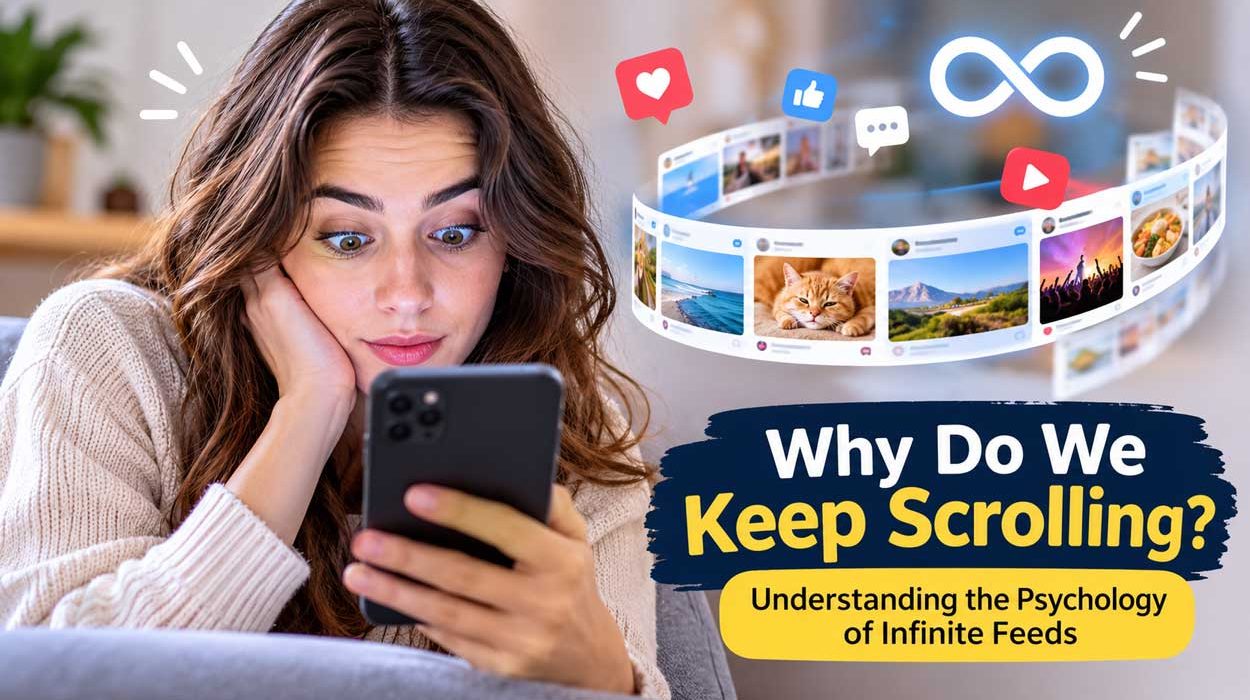
You have a few spare minutes, and you decide to check your phone. Before you realise it, forty minutes or even an hour has passed. If this sounds familiar, you are not alone. Most of us have experienced endless scrolling through Instagram, Facebook, and YouTube Shorts, which makes it surprisingly easy to lose track of time.
Whether it’s a stranger’s travel vlog, a funny clip, or a celebrity update, once we start scrolling, it never seems to end. We keep telling ourselves, “just one more scroll”, and somehow another 30 minutes disappear. But the question is, why do we keep scrolling even when we know we should put our phones down?
The answer lies in a mix of human psychology, digital habits, and how social media platforms are designed to keep us engaged.
What is Infinite Scrolling?

Infinite scrolling is a design pattern or feature where new content loads automatically as you move down the page. The design eliminates a natural stopping point, presenting users with another post, video, product, or recommendation.
Removing the finish line—the one thing that helps us stop—makes browsing more convenient and encourages longer sessions than intended.
Designer Aza Raskin created it in the mid-2000s, and he has since said he regrets how much attention it consumes. Today, social platforms, news sites, and shopping apps all use it because it keeps people engaged.
The Psychology Behind Endless Scrolling
Scrolling feels so natural and addictive because it is designed to keep us hooked. The thing is, our brains are naturally curious. We enjoy discovering new information, knowing about others’ lives, unexpected entertainment, and interesting stories. Most platforms take advantage of this curiosity by endlessly offering something different.
Here are some psychological factors behind endless scrolling that make it hard to stop.
1. The Slot Machine Effect (Unpredictable Rewards)

Psychologist B.F. Skinner’s research on reinforcement schedules showed that unpredictable rewards can encourage repeated behaviour. A social media feed works similarly. Most posts are forgettable, but every so often, you come across something funny, shocking, or deeply relatable. This uncertainty keeps us scrolling, hoping the next post will be even more interesting. It’s like opening a mystery box, where the possibility of finding something exciting keeps us curious.
2. Dopamine and Instant Gratification
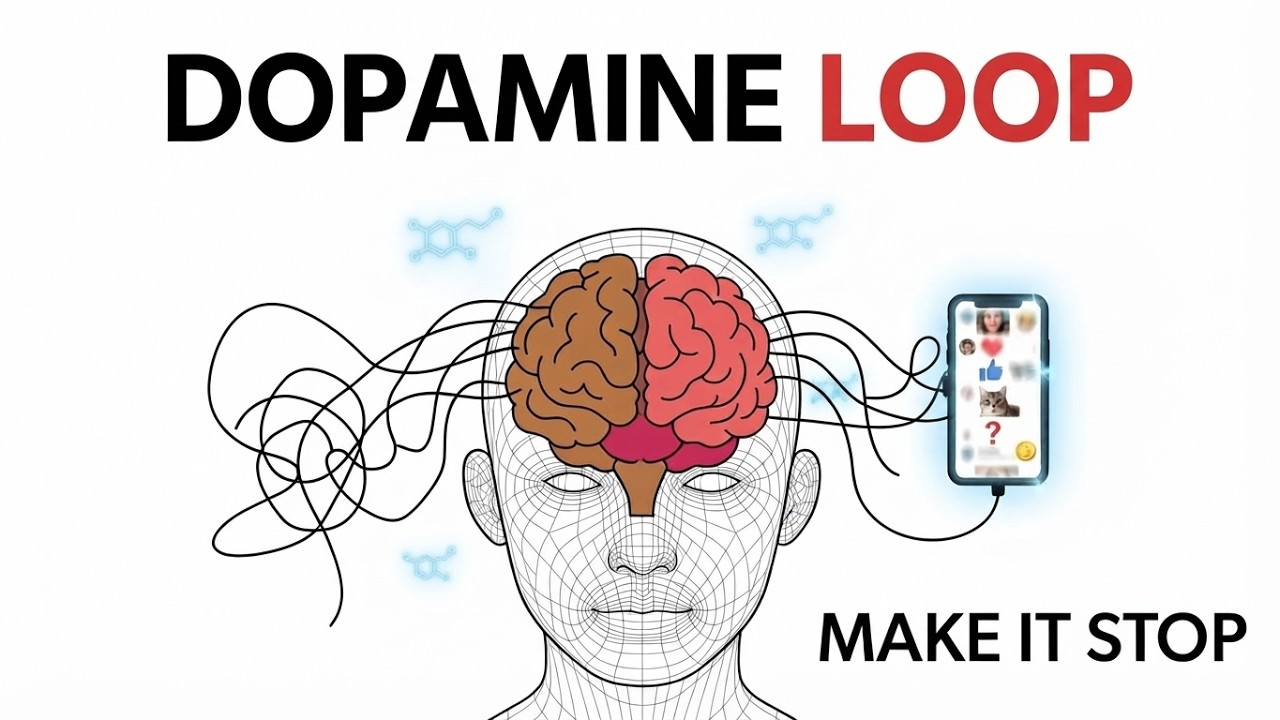
Often called the “pleasure chemical,” dopamine is a chemical messenger involved in motivation, learning, and reward-related behaviour. It contributes to how we respond to experiences that feel rewarding or exciting. Every like, comment, entertainment video, and unexpected discovery offers a tiny spike that keeps you going.
Over time, reaching for our phones becomes a habit whenever we feel bored or need a quick mood lift or distraction.
3. FOMO and Social Comparison
The fear of missing out (FOMO) also contributes to the habit of checking social media often. These platforms constantly display updates about people’s lives, trending topics, or viral trends, which we feel compelled to catch up on.
This feeling of missing out on something important while we are offline makes us check our feeds repeatedly.
4. Boredom and Emotional Escape

Sometimes we scroll or check our phones not because we want specific content, but because we want to avoid boredom, stress, anxiety, frustration, sadness, loneliness, or a task we’re dreading. Scrolling also offers an instant and easy escape from uncomfortable emotions. Browsing entertaining posts and reels gives our minds a temporary distraction from the feelings that bother us.
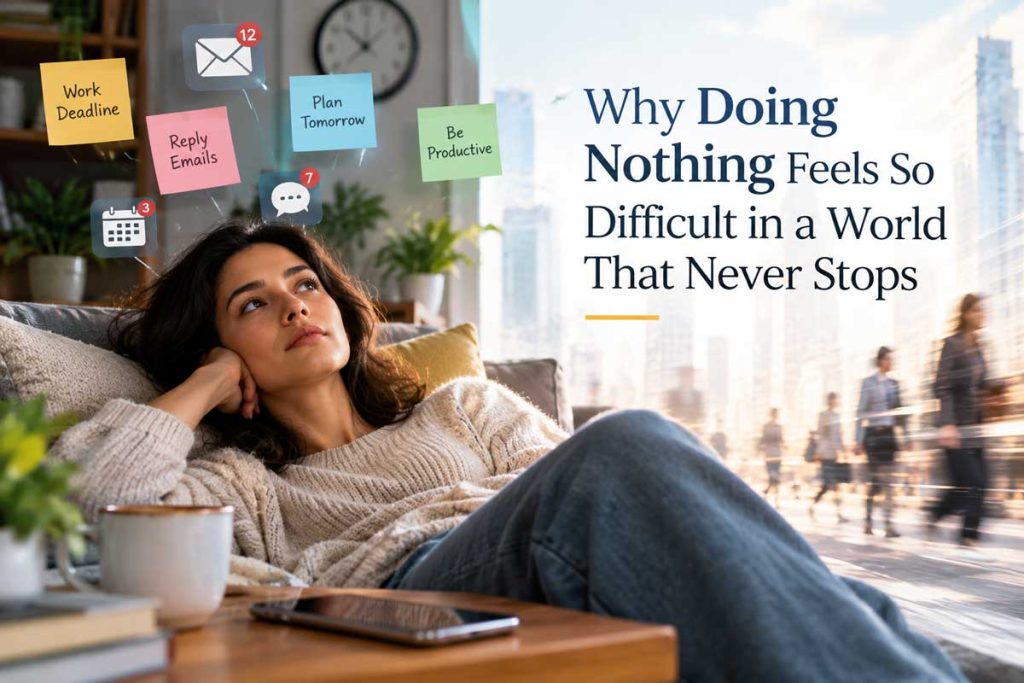
Constant stimulation also makes it difficult to sit quietly or spend some time alone. This explains why doing nothing feels so difficult in a world that never stops.
5. No Stopping Cues

Unlike traditional media that came with a clear endpoint, such as a book with a final page, a television programme with an ending, and a newspaper with a final page, today’s infinite feeds remove the stopping point. This makes endless scrolling hard to stop because our brains don’t receive a clear signal to stop.
These infinite feeds keep presenting new content as we scroll. One post after another, one video followed by another, and recommendations that never stop. This continuous flow of content makes it easy to lose track of time, and before we realise it, several minutes or even hours have passed.
Is Endless Scrolling Bad for You? How to Stop It
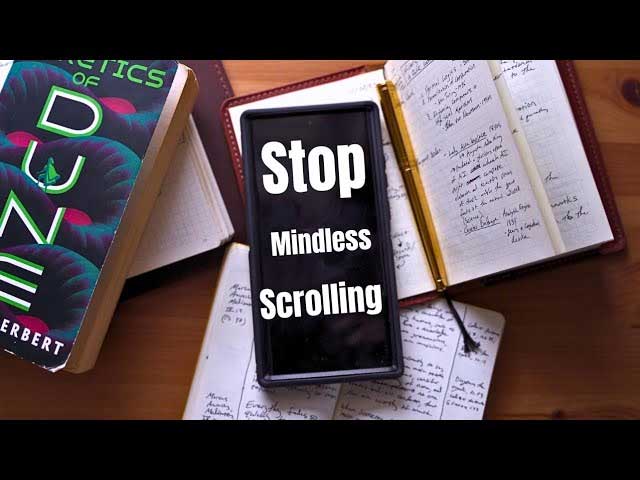
Occasional scrolling is harmless and can even be fun. Research on heavy social media use, however, has linked it to poorer sleep, shorter attention spans, and lower mood for some people. But you don’t need to delete every social media app on your phone to build healthier digital habits. Small changes, like a digital detox or short breaks from technology, can make a meaningful difference.
Here are a few easy habits to help you break the cycle of endless scrolling:
- Set a daily screen time limit: Use your phone’s built-in screen time settings to monitor social media use and set limits.
- Turn off unnecessary notifications: Disable alerts from unimportant apps to avoid interruptions from every update.
- Create your own stopping cues: Decide on the number of posts, videos, or a time limit before opening the app.
- Create phone-free moments: Keep your phone away during meals, work sessions, time with loved ones, and the first few minutes after waking up.
- Replace scrolling with other activities: When you feel bored, resist the urge to pick up your phone. Instead, choose an activity that offers a refreshing break. Go for a walk, read a book, listen to music, or revisit a hobby you enjoy.
Final Thoughts
So, why do we keep scrolling? The answer isn’t simply a lack of self-control. It involves a combination of human psychology, curiosity, unpredictable rewards, digital habits, personalised recommendations, and the convenience of endless feeds.
Social media platforms are designed to keep users engaged, making it easy to lose track of time. However, recognising when casual browsing turns into hours of automatic scrolling is the first step towards building healthier digital habits and better mental health.
The next time you pick up your phone for a quick check, pause and ask yourself: Am I scrolling because I want to, or simply out of habit? Sometimes, taking back control of your attention starts with knowing when it’s time to put your phone down.