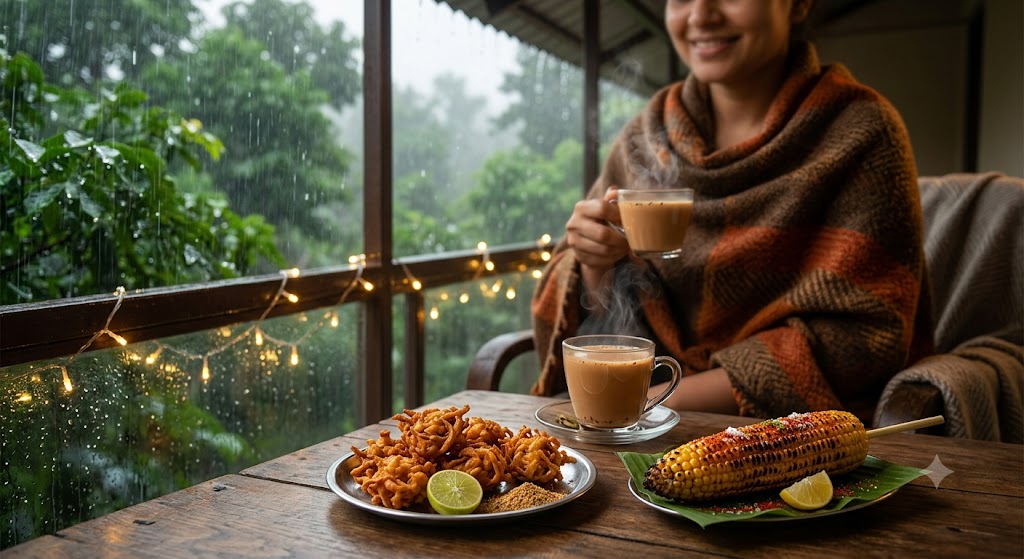

As the dark clouds blanket the sky, a cool breeze carries the earthy scent of petrichor, and the first raindrop falls to the ground—cravings for hot, spicy, and crispy delicacies begin to take over the senses.
Most of us would agree that rain has a peculiar way of awakening our appetite. This isn’t any ordinary hunger, but one for hot and spicy food that provides warmth, comfort, and a burst of flavour.
Have you ever wondered why, with the arrival of the monsoon, the Indian kitchens come alive with the delightful aroma of chai and the crackle of golden pakoras? Is this merely a coincidence? Or is there any science behind these seasonal cravings that most of us experience?
In this blog, we are going to uncover the science behind monsoon food cravings to understand why those rainy-day indulgences feel so satisfying and irresistible.
Why Do We Crave Hot and Spicy Food During the Monsoon?
During the monsoon season, the temperatures begin to fall and humidity increases. These subtle changes in the weather influence our mood and appetites in interesting ways. As a result, we often find ourselves craving food that offers warmth, energy, and comfort.
This is why hot chai, crispy pakoras, curries, flavorful soups, and other deep-fried snacks become even more tempting on rainy days.
Interestingly, rainy-season cravings are not driven by a single factor. These seasonal cravings are shaped by a mix of biology, psychology, and cultural traditions.
Let’s dive deeper to uncover the reasons why we crave these foods during the monsoon.

1. Cooler Weather
One of the primary reasons behind monsoon cravings is cooler weather, which makes our bodies instinctively seek warmth and comfort. A steaming cup of tea, a bowl of soup, or freshly prepared curry creates a soothing sensation throughout the body. In contrast to the cold, damp outer environment, warm food offers satisfaction and cosiness.
2. The Chilli Pepper Effect
Ever wondered why chilli or spicy food feels strangely addictive?
This is due to capsaicin.
Capsaicin is a bioactive compound found in chilli peppers that activates heat receptors in our mouths, making our brain perceive heat. In response, our bodies release endorphins and dopamine, chemicals associated with mood, pleasure, and well-being.
As a result, we feel a satisfying rush after eating chilli foods, especially on rainy days when the body is already craving comfort and warmth.

3. Rainy Days and Their Influence on Mood
If you’ve ever felt slow and sluggish on rainy days, you aren’t imagining it. Many people experience lower energy levels during the rainy season due to cloudy skies and reduced sunlight. Reduced sunlight is believed to affect the body’s capacity to produce serotonin, a neurotransmitter associated with mood, joy, and overall well-being.
With the drop in serotonin, we may start craving carbohydrate-rich foods.
The reason is that the brain naturally seeks soothing experiences that temporarily boost serotonin production. With food being the easiest source of mood uplift and emotional satisfaction, cravings for hot, fried, and flavorful food strengthen.

4. Effect of High Humidity on Senses
The effect of monsoon humidity isn’t limited to our hair; it also affects our mood and senses. During the rainy season, high moisture levels in the air impact how we perceive aromas and flavours. The reason is that food with bold spices, garlic, herbs, ginger, and chillies stimulates our senses better than bland meals.

5. The Connection Between Spices and Appetite
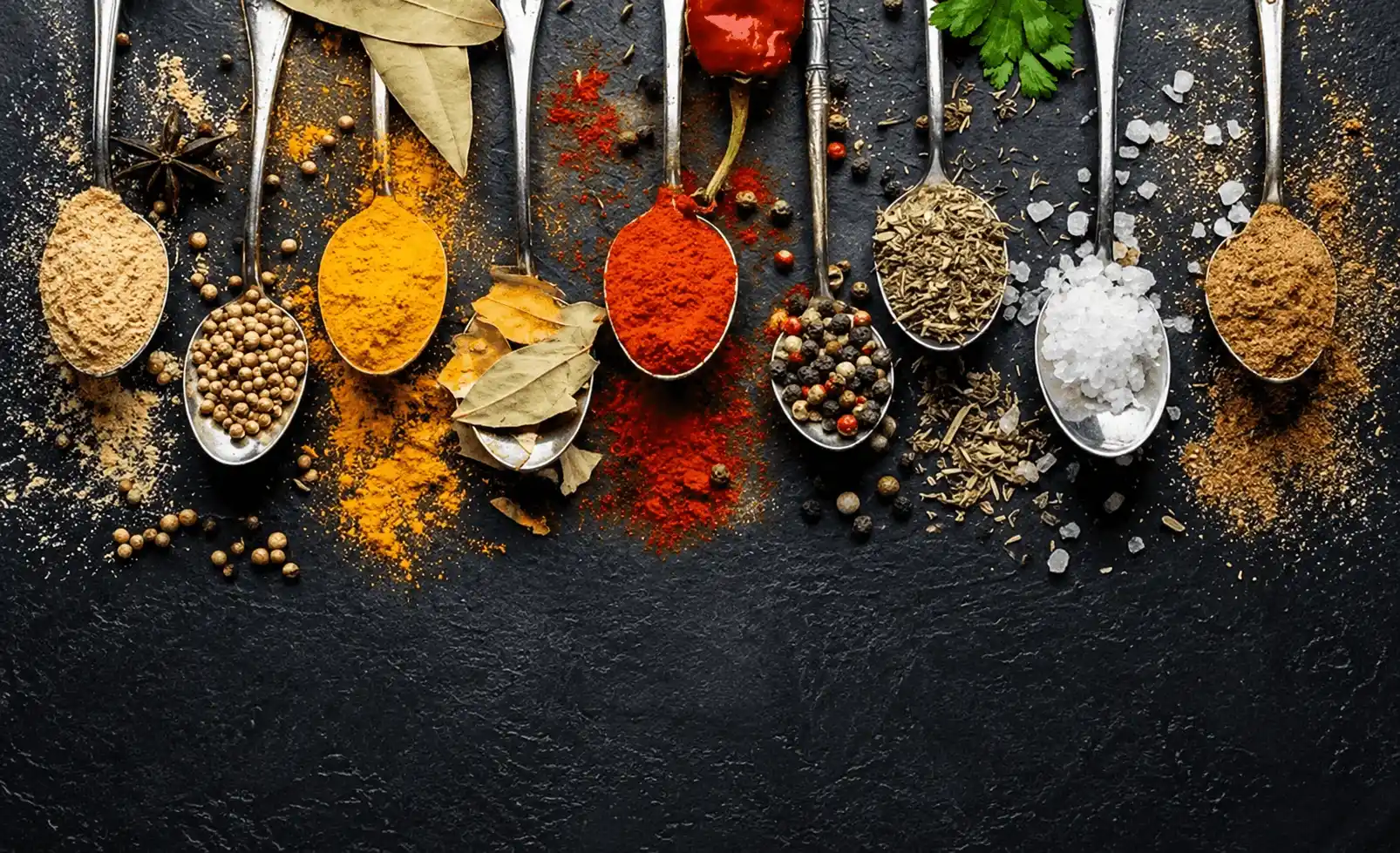
Many traditional Indian spices are known to stimulate digestion along with enhancing the aroma and flavours of food. Ginger, cumin, cloves, black pepper, cinnamon, turmeric and cardamom increase the production of saliva and digestive secretions. This is also the reason why many cultures have traditionally embraced spice-rich recipes in their monsoon menus.
6. Culture and Tradition
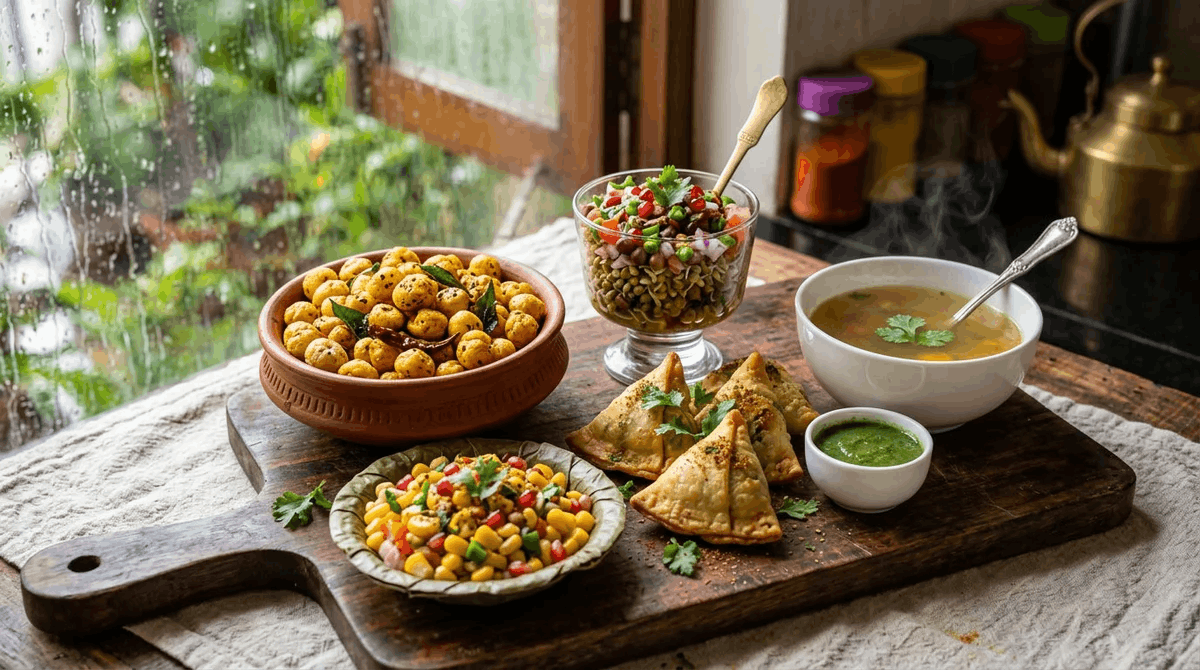
Although spicy food is rooted in our culture and tradition, generations have followed the ritual of savouring it during rainy weather. Eating crispy pakoras, hot beverages, bhutta, samosas, hot jalebis, spicy curries, and vegetable soups is more of a tradition in most households.
The onset of the monsoon evokes childhood memories of family gatherings and the smell of these flavour-packed delicacies before we even feel hungry or crave them.

7. Reduced Outdoor Activity Impacts Eating Habits
Often, the rainy season limits outdoor activities, making us spend more time indoors. This increases bedroom eating and snacking while watching movies, reading, or working from home.

8. Comfort Foods and Pleasant Memories
For many of us, monsoon foods are not just mouth-watering delicacies but also carry a piece of our childhood memories of family gatherings and cosy indoor moments. Over time, we start to associate hot, spicy food with comfort, relaxation, and nostalgia, making monsoon food cravings even stronger.

Are Monsoon Cravings Healthy to Indulge In?
There is nothing wrong with savouring seasonal favourites, but the key is moderation. In fact, Indian spices offer several potential benefits, including:
- Enhancing flavours
- Offering warmth in cooler weather
- Ginger and garlic contain naturally occurring compounds offering anti-microbial and anti-inflammatory properties.
Yet, balance is the key, as excessively spicy and oily foods can cause acidity, heartburn, indigestion, or stomach discomfort. Those with digestive disorders should go for milder preparations and maintain a balanced diet throughout the season to avoid any health concerns.

Healthy Ways to Satisfy Monsoon Food Cravings
You can either have your monsoon favourites in moderation to satisfy those seasonal cravings, or you can go for these healthier alternatives to deliver the same comfort and flavour:
- Air-fried pakoras
- Lentil soups
- Masala tea with less or no white sugar
- Freshly prepared homemade soups with seasonal veggies
- Grilled corn
- Whole grain vegetable sandwiches
- Stir-fried vegetables
Final Thoughts
The fact is that a single, simple reason doesn’t trigger seasonal cravings. Instead, a mix of weather, emotions, tradition, and brain chemistry shapes them. Cool temperatures increase the desire for warm meals, capsaicin boosts feel-good hormones, humidity impacts how we experience food, and lastly, family traditions and nostalgia bolster these cravings.
So the next time rain pours and you start craving a hot cup of masala chai along with crispy pakoras, remember that it’s not just your taste buds playing tricks. It’s a fascinating combination of biology, psychology, environmental changes, and traditional influences that are making these cravings even more difficult to resist.
To sum it up, we would say, enjoy the rainy season to the fullest, savour your favourite seasonal delicacies, and share the science behind monsoon cravings with your family and friends. But remember, moderation is the key!