

Mental health has become one of the most pressing health challenges of our time, with millions dealing with stress, anxiety, and mood-related disorders. According to the World Health Organisation, 1 in 8 people globally live with a mental health condition. Sadly, the impact of these challenges extends far beyond emotional well-being, affecting physical health, productivity, personal life, and overall quality of life. This makes prioritising mental health and spreading awareness around emotional well-being more important than ever.
The good news is that mental health isn’t entirely shaped only by genetics, major life events, or unexpected challenges. Small life choices we make day-to-day, such as our routines, repeated behaviours, and lifestyle choices, also play a significant role in how we feel.
Research in neuroscience and psychology shows that healthy habits can reduce stress, support brain function, and improve mood over time.
In this blog, we will discuss 10 science-backed habits that can support better mental health and overall well-being. By incorporating these healthy habits in your everyday lifestyle, you can create measurable results.
Prioritise Quality Sleep
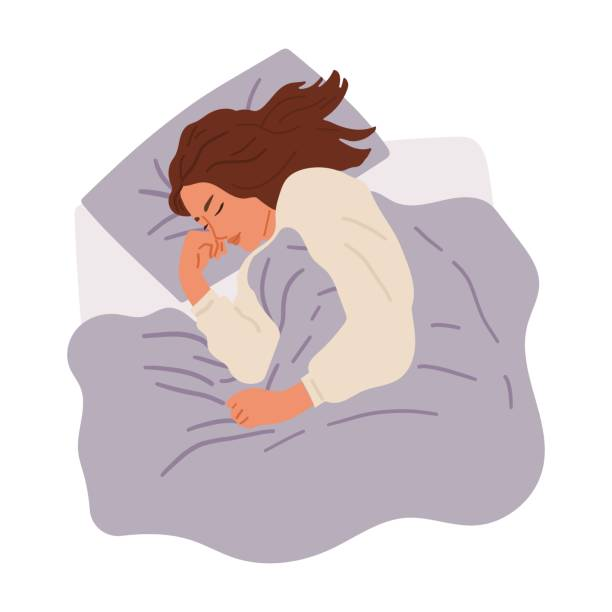
Good sleep plays a very important role in maintaining brain health. During sleep, the brain repairs itself, regulates emotions, and processes information. Many studies link lack of sleep or sleep deprivation with increased risks of anxiety, depression, and other mental health concerns.
Hence, creating a consistent sleep routine not only regulates the body’s internal clock but also supports mental clarity and overall well-being.
Sleep habits for better mental health:
- Maintain a consistent sleep schedule
- Avoid excessive screen time before bed
- Create a relaxing nighttime routine
- Limit intake of caffeine later in the day
- Keep your bedroom cool, dark, and comfortable
When your brain is well-rested, it manages stress better, regulates emotions more effectively, and makes healthier decisions.
Practice Mindfulness
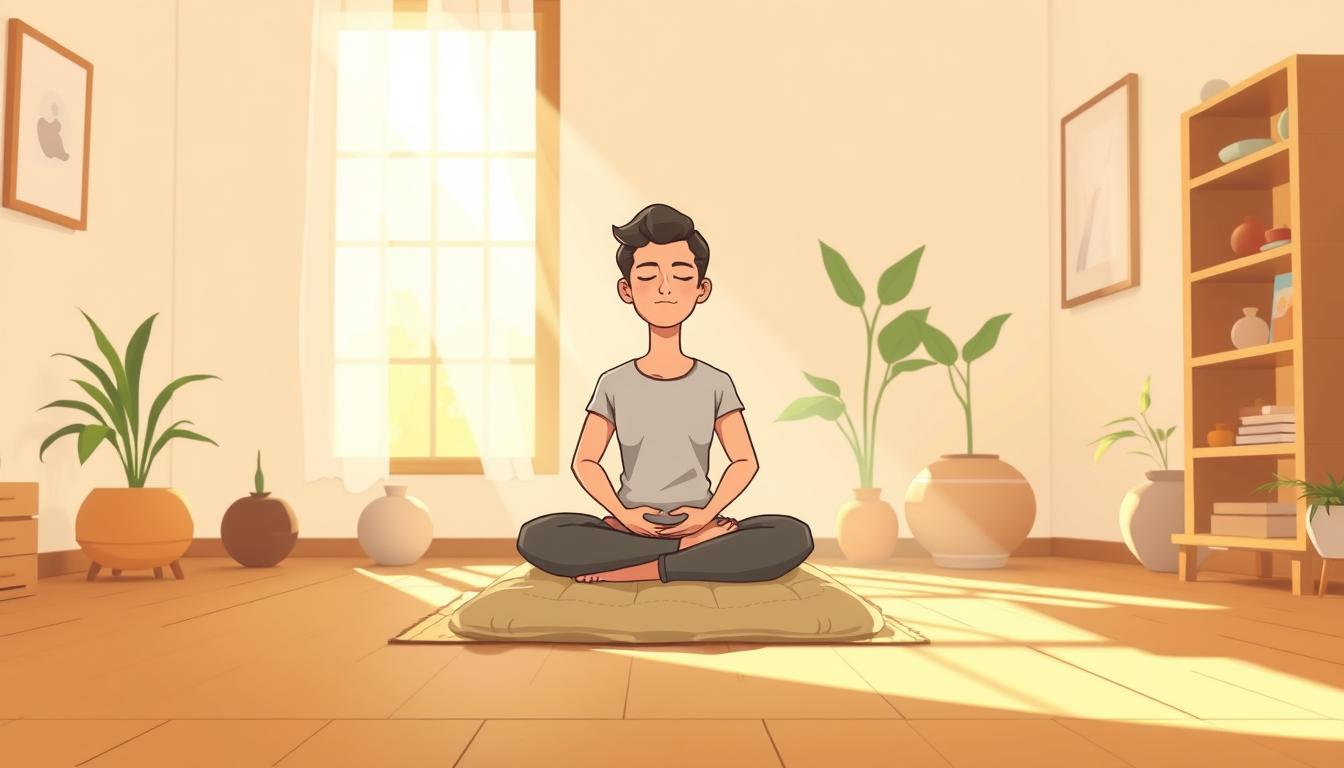 Mindfulness is the practice of paying attention to the present moment with an open mind and non-judgemental attitude. The purpose of this practice is to become more aware of your thoughts and feelings to improve mental clarity.
Meditation is one of the best mental wellness practices to include in an everyday routine to support stress management and mental calm.
Mindfulness exercises to manage stress and anxiety include:
- Focusing on your breathing for a few minutes every day
- Practising mindful eating
- Practicing meditation
- Noticing your surroundings using your senses
- Trying guided meditation
- Observing your thoughts
A few minutes of mindfulness each day can help break the worry loop, reduce stress, improve emotional regulation, and train your brain to respond calmly to challenges.
Exercise Regularly

Research consistently suggests that regular exercise has a profound effect on physical, mental, and overall well-being. Adding physical activities to your routine can also reduce symptoms of anxiety and depression.
Physical exercise triggers the release of chemicals such as endorphins, serotonin, and dopamine, which promote happiness, reduce stress, and enhance emotional well-being.
Simple ways to stay active and maintain a healthy routine include:
- Walking for 20-30 minutes every day
- Cycling
- Yoga or stretching exercises
- Dancing
- Strength training exercises
Making exercise a regular habit can help you uplift your mood and support both mental and physical well-being.
Eat Healthy Food
 We all heard the popular idiom, “We are what we eat.” This means that the food we consume affects not only our physical health but also our energy and brain function. A healthy, balanced diet is essential for good mental health because the brain relies on nutrient-rich food to function properly and support overall mental well-being. Lack of nutrition can affect energy levels, mood, memory, and cognitive performance.
Healthy foods that support mental well-being:
- Whole grains
- Lean proteins
- Seeds and nuts
- Fruits and vegetables
- Healthy fats like omega-3 fatty acids
- Fermented foods to support gut health
Cutting down on processed foods while maintaining a balanced diet can improve energy levels, concentration, and emotional well-being.
Build Meaningful Connections
 Strong social connections are a strong aspect of maintaining good mental health. Meaningful relationships help us cope with difficult experiences in life, reduce feelings of loneliness, and provide emotional support during challenging times. By fostering a sense of belonging and strengthening emotional resilience, positive social connections contribute to better mental health.
Ways to strengthen relationships include:
- Talking openly with your loved ones
- Spending quality time with family and friends
- Joining community groups or clubs
- Participating in social activities
- Expressing appreciation to people around you
- Asking for help when needed
Building meaningful social connections can reduce feelings of loneliness, boost confidence, and improve happiness.
Practice Gratitude

Practising gratitude helps shift focus from problems to positive experiences in life. This small psychological practice can help increase optimism, strengthen relationships, and improve outlook on life by promoting a greater sense of satisfaction from within.
Easy gratitude practices include:
- Keeping a gratitude journal
- Writing down things you are grateful for each day
- Expressing appreciation to others
- Reflecting on positive experiences every day before going to bed
Practising gratitude in daily life can reduce stress, cultivate a more positive mindset, and support better mental health.
Spend Time in Nature
 Spending time in nature is one of the simplest yet most effective habits you can add to your routine to improve your mental health. Exposure to nature can calm the nervous system, reduce stress levels, and improve mood by relaxing and refreshing the mind.
Spending some time in sunlight also helps the body produce vitamin D, which in turn supports better sleep, energy levels, and overall health.
Nature activities that can support relaxation and restore mental energy include:
- Walking in a park
- Hiking
- Gardening
- Sitting in a green space
- Having outdoor conversations
Connecting with nature for at least 20-30 minutes daily can reduce mental fatigue, promote relaxation, and have a profound impact on overall mental health.
Limit Screen Time
 Spending a lot of time on your smartphones, computers, or other digital devices can contribute to poor concentration, increased stress levels, anxiety, and disrupted sleep patterns. Excessive digital consumption is also associated with low self-esteem, reduced attention span, and unhealthy social comparison.
Taking a break from screens and building healthier digital habits supports mental clarity, reduces eye strain, and allows the mind time to rest.
Some easy digital wellness tips include:
- Taking regular breaks from screens
- Limiting unnecessary social media scrolling
- Avoiding screens before bedtime
- Setting daily screen time limits
- Avoiding phones during important conversations
Using technology wisely and in a balanced way, or going on a digital detox when needed, can create a healthier lifestyle that supports better sleep quality, focus, and mental well-being.
Set Healthy Boundaries
 Setting healthy boundaries protects your time and energy, reduces stress, and improves emotional balance. Learning to say “no” when necessary, taking breaks, and making time for self-care are simple, effective habits for reducing stress and preventing burnout.
Steps to set healthy boundaries include:
- Separating work from personal life
- Avoiding unnecessary commitments
- Protecting your personal space and time
- Taking regular breaks
- Clearly communicating your needs
Setting healthy boundaries with people improves emotional balance, reduces unnecessary stress, and supports better mental health.
Practice self-reflection

Understanding yourself and your needs better is an important step in the mental health journey. It helps you understand your thoughts, behaviour, emotions, and personal needs. Identifying patterns and recognising emotional triggers can build self-awareness and help you deal with your emotions wisely.
Easy ways to practice self-reflection include:
- Journaling your thoughts and emotions regularly
- Asking yourself difficult questions
- Reflecting on your day before going to sleep
- Noticing emotional patterns
- Setting realistic goals
Developing self-awareness helps you better understand your thoughts, emotions, and needs, supporting healthier choices and better decision-making.
In a Nutshell
Better mental health isn’t the result of one major life change but rather a combination of small, everyday choices that create a long-term impact on our overall well-being. By incorporating these simple mental wellness practices into our daily routine, we can lay the foundation for a healthier, more balanced, and fulfilling life.
To get started, you can build one or two habits and gradually incorporate them into your routine. Taking these small steps towards better mental health can create meaningful improvements over time.