




10 Best Places to Visit in India During Monsoon for a Magical Rainy Escape
India’s monsoon brings a dramatic transformation to its landscape, turning it into a natural paradise with lush green hills, roaring waterfalls, and cooler breezes. While some places face travel restrictions, others come to life with monsoon’s magical downpours.
From experiencing the unique herping tours in Munnar, Kerala, to witnessing the enthralling beauty of Meghalaya, monsoon travel enthusiasts are often rewarded with some of the country’s most spectacular scenery.
Must-Visit Monsoon Destinations
Here are some of the best places to visit in India during monsoon for an unforgettable rainy escape.
1. Munnar, Kerala
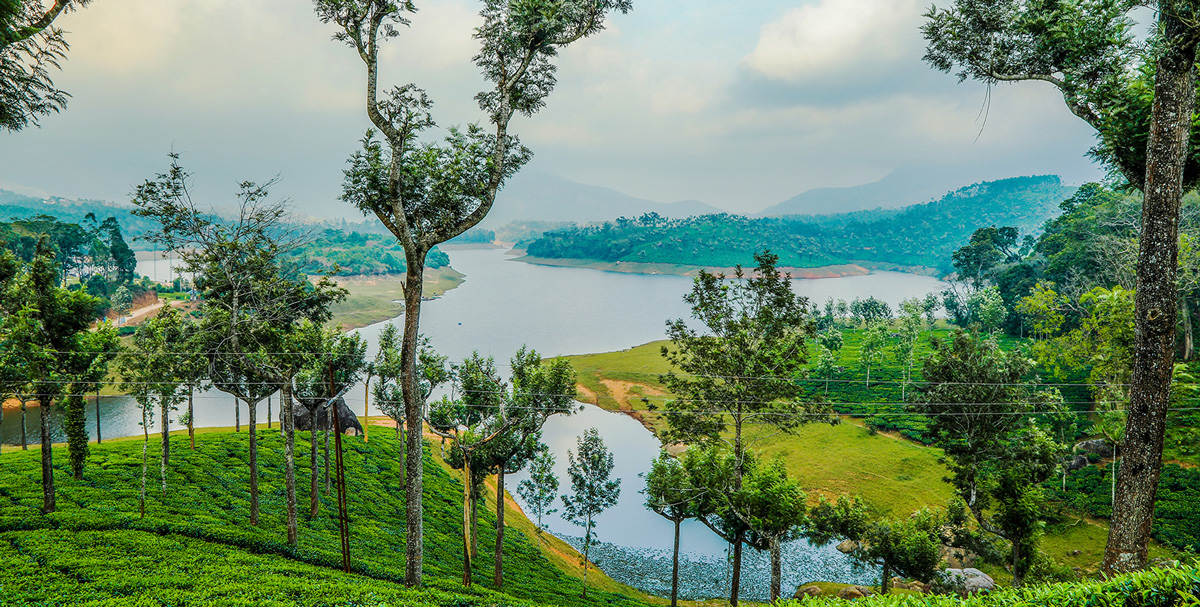
Nestled in the Western Ghats, Munnar is a dream wrapped in mist during the monsoon, with its rolling tea gardens, lush green hills shrouded in mist, and winding roads. Known for its unique herping tours through Shola forests, rainforest patches, and high-altitude plantations, this place is a heaven for macro photographers and wildlife enthusiasts.
During the rainy season, the entire region comes to life with scenic plantations, sparkling waterfalls, and emerald landscapes enough to leave visitors mesmerised.
Tea museums, Eravikulam National Park, and Attuka Waterfall are among the top must-visit attractions in Munnar.
- Best time to visit: June to September
- Ideal for: Tea plantations, waterfalls, misty landscapes, wildlife, photography
2. Coorg, Karnataka
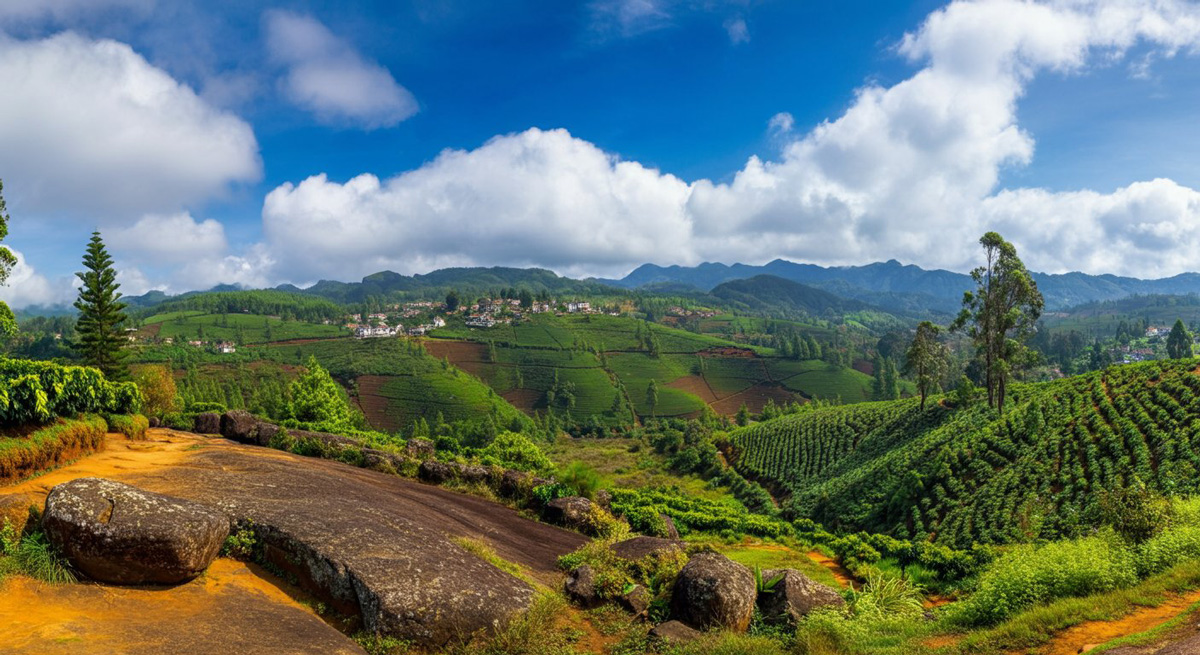
This coffee district in Karnataka is a nature lover’s favourite year-round, but the monsoon turns it into an enchanting rainy getaway. The picturesque cascading waterfalls, dense forests, and pleasant weather combine to make Coorg a peaceful retreat away from city life.
Trekking through the misty hills, enjoying a plantation stay, and exploring the region’s scenic trails make for an adventurous yet peaceful retreat filled with natural beauty.
- Best time to visit: June to September
- Ideal for: Coffee plantations, nature walks, waterfalls, peaceful retreats
3. Wayanad, Kerala
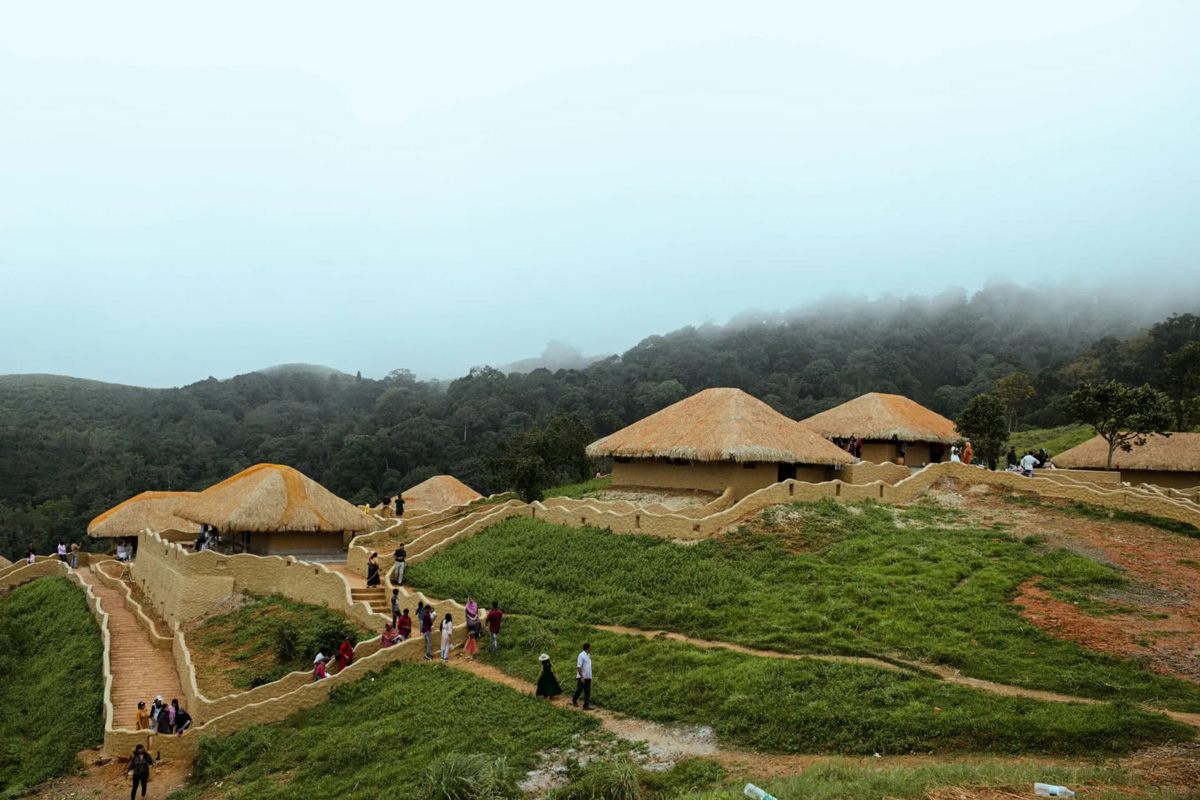
Located on the Southern edge of the Deccan Plateau, Wayanad is a breathtaking destination with its pepper vines, paddy fields, and sprawling tea estates. This eco-tourism hub is home to mist-covered mountains, deep valleys, dense jungle, and crystal-clear lakes surrounded by rich biodiversity.
This picturesque mountain district is a paradise for trekkers, adventure enthusiasts, and nature lovers. Top attractions include Edakkal Caves, Wayanad Wildlife Sanctuary, Chembra Peak, and Kuruva Island.
- Best time to visit: June to September
- Ideal for: Trekking, wildlife, caves, forests, eco-tourism
4. Cherrapunji, Meghalaya (Sohra)
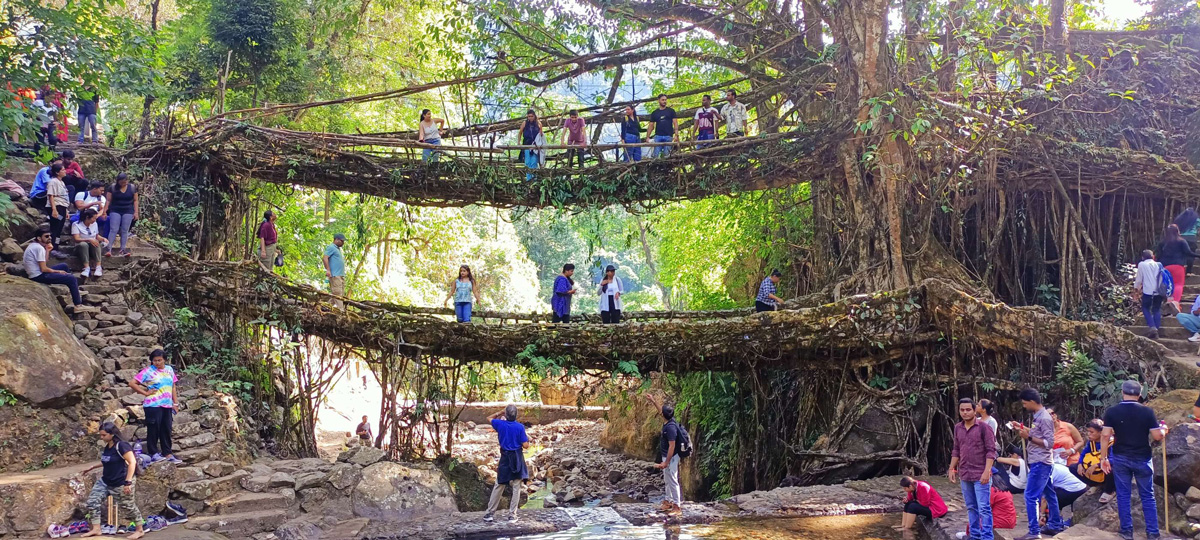
One of the wettest places on earth, Cherrapunji, Meghalaya, is not for the faint-hearted. However, those who dare to visit it during the monsoon are rewarded with spectacular natural beauty. The sight of the voluptuous waterfalls, dramatic cliffs, the panoramic views of the Bangladesh plains, and misty clouds make Cherrapunji a truly postcard-worthy destination.
Popular attractions include Seven Sisters Falls, Nohkalikai Falls, Mawsmai Caves, and the famous living root bridges.
- Best time to visit: June to September for waterfalls and dramatic landscapes
- Ideal for: Waterfalls, misty hills, caves, rain-soaked landscapes
5. Kodaikanal, Tamil Nadu
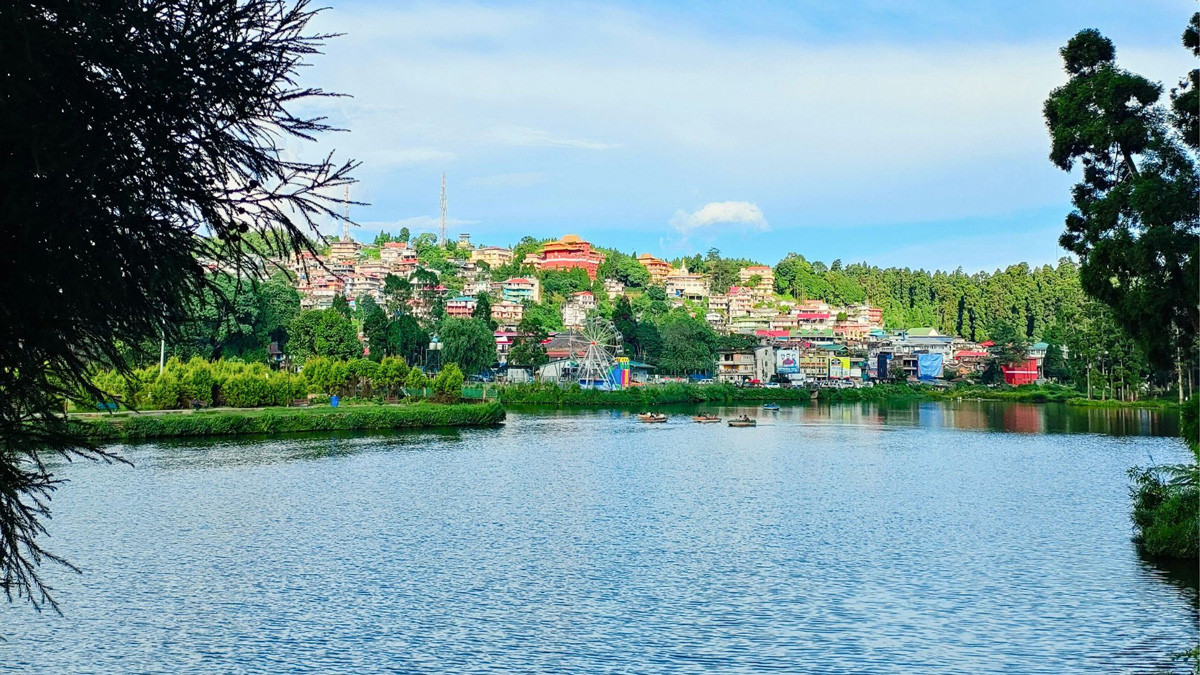
Fondly known as The Princess of Hill Stations, this serene alpine retreat of Tamil Nadu is celebrated for its serene lakes, blooming gardens, pine forests, and mist-covered valleys. During the monsoon, cold breezes, fewer crowds, winding roads, and breathtaking views of cloud-covered mountains make it an idyllic escape for peace seekers and nature lovers.
Major attractions include Kodaikanal Lake, Pillars Rocks, Silver Cascade Falls, Coaker’s Walk, and the picturesque pine forests.
- Best time to visit: June to September for cool weather and misty valleys
- Ideal for: Hill views, lakes, waterfalls, peaceful escapes
6. Shillong, Meghalaya
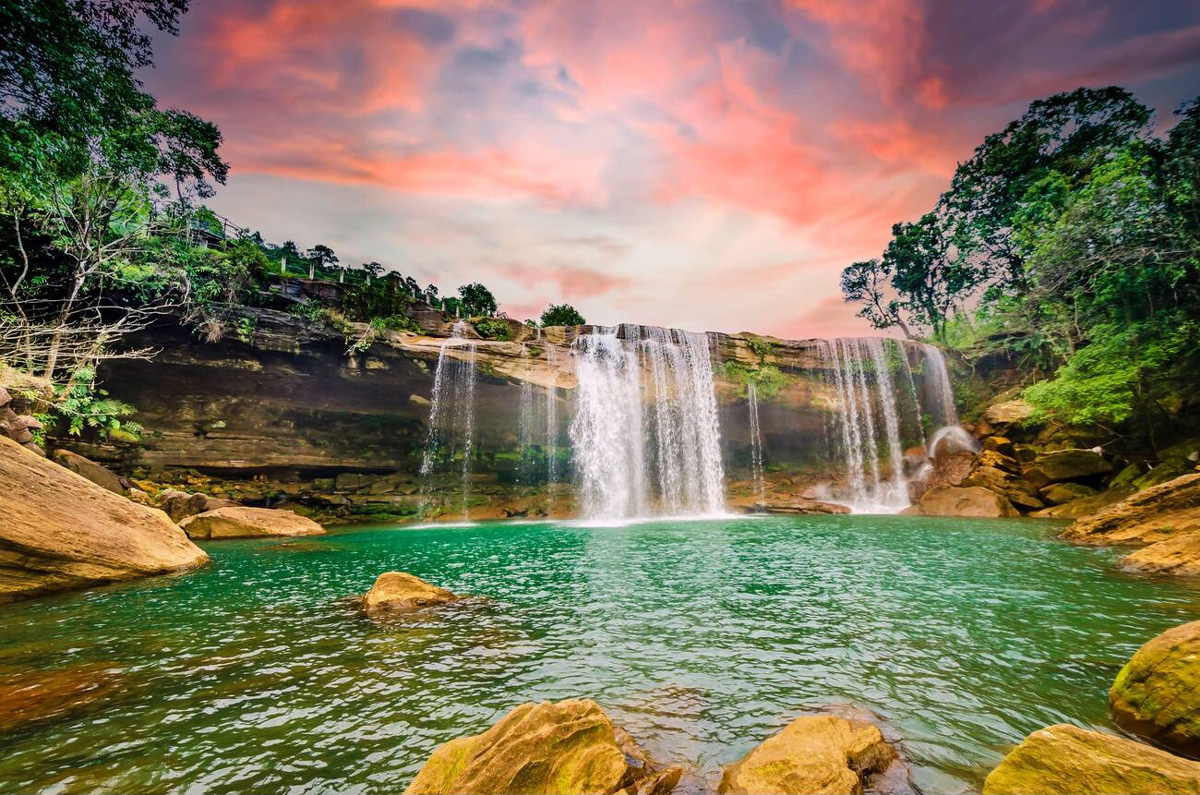
Nestled in the rolling hills of the magical Meghalaya, Shillong is one of the most popular hill stations in India and a true monsoon gem. Often referred to as the “Scotland of the East”, Shillong captivates visitors with its green landscapes, serene lake, pine-covered hills, and cascading waterfalls that come alive during the rainy season.
Top attractions include Elephant Falls, Umiam Lake, Shillong Park, Don Bosco Museum, and Laitlum Canyons.
- Best time to visit: June to September
- Ideal for: Waterfalls, lakes, scenic drives, verdant landscapes
7. Valley of Flowers, Uttarakhand
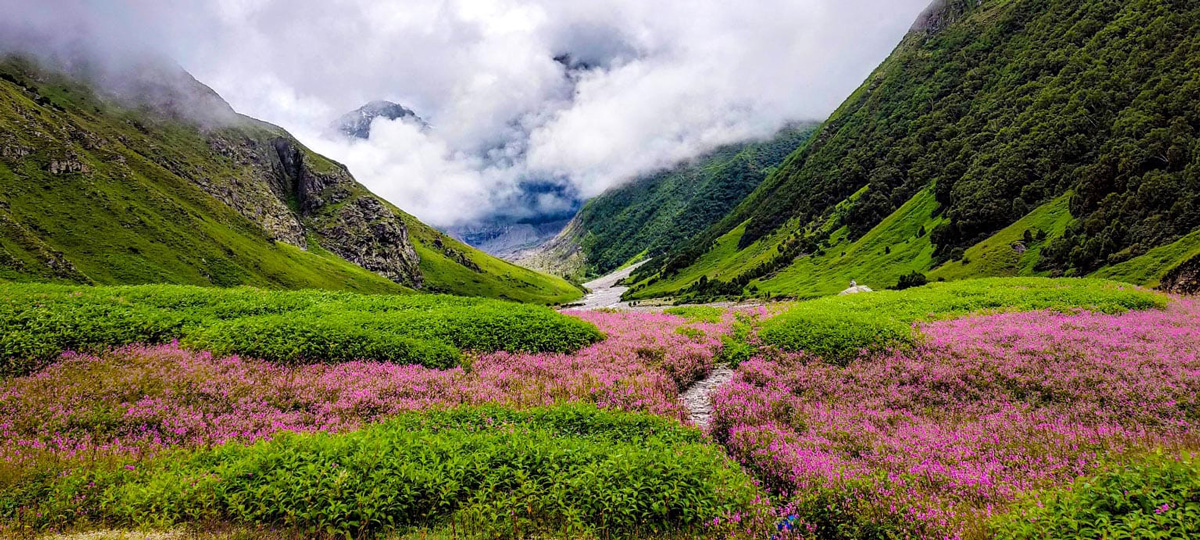
This UNESCO World Heritage Site is a paradise of vibrant meadows harbouring 600 rare Himalayan wildflower species. Nestled at an altitude of 3,658 meters in the Nanda Devi Biosphere Reserve, this captivating hidden paradise is reached after a scenic five-hour trek.
The valley remains open only for a short period between mid-July and August. During the monsoon season, it transforms into a spectacular natural wonder with colourful blooms of rare Himalayan flowers such as Brahmakamal, Himalayan blue poppies, and cobra lilies.
Nearby must-visit attractions are Hemkund Sahib, Govindghat, Ghangaria, and Pulna Village.
- Best time to visit: Mid-July to August, the best and only blooming season
- Ideal for: Himalayan flowers, trekking, photography, nature experiences
8. Tirthan Valley, Himachal Pradesh
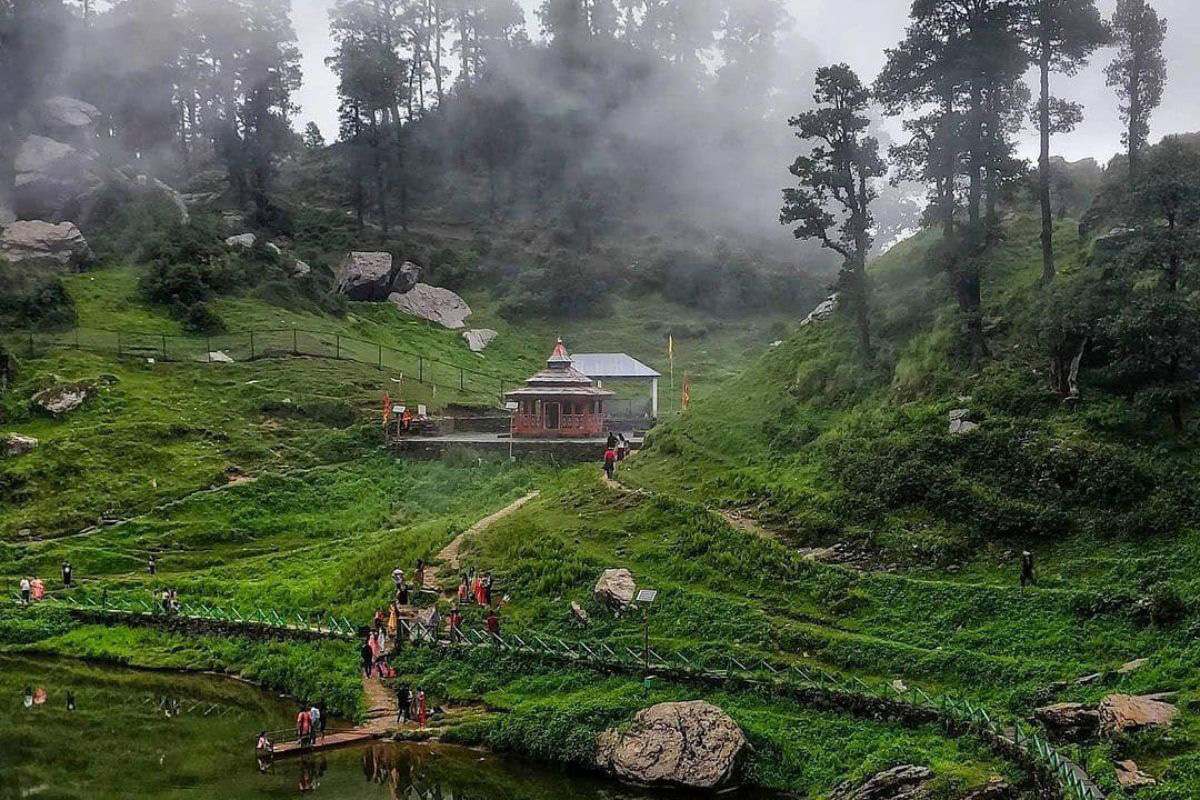
This hidden gem in Himachal Pradesh’s Kullu district is celebrated for its untouched natural beauty, peaceful mountain villages, and tranquil surroundings. With dense forests, serene rivers, and lush greenery, Tirthan Valley offers a refreshing escape from the crowded hill stations, making it an ideal destination for a peaceful holiday during the rainy season.
Top attractions in and around the valley are Great Himalayan National Park, Jibhi, Jalori Pass, Serolsar Lake, and the majestic Tirthan River.
- Best time to visit: July to August for monsoon greenery
- Ideal for: Offbeat travel, trekking, rivers, village experiences
9. Dzükou Valley, Nagaland
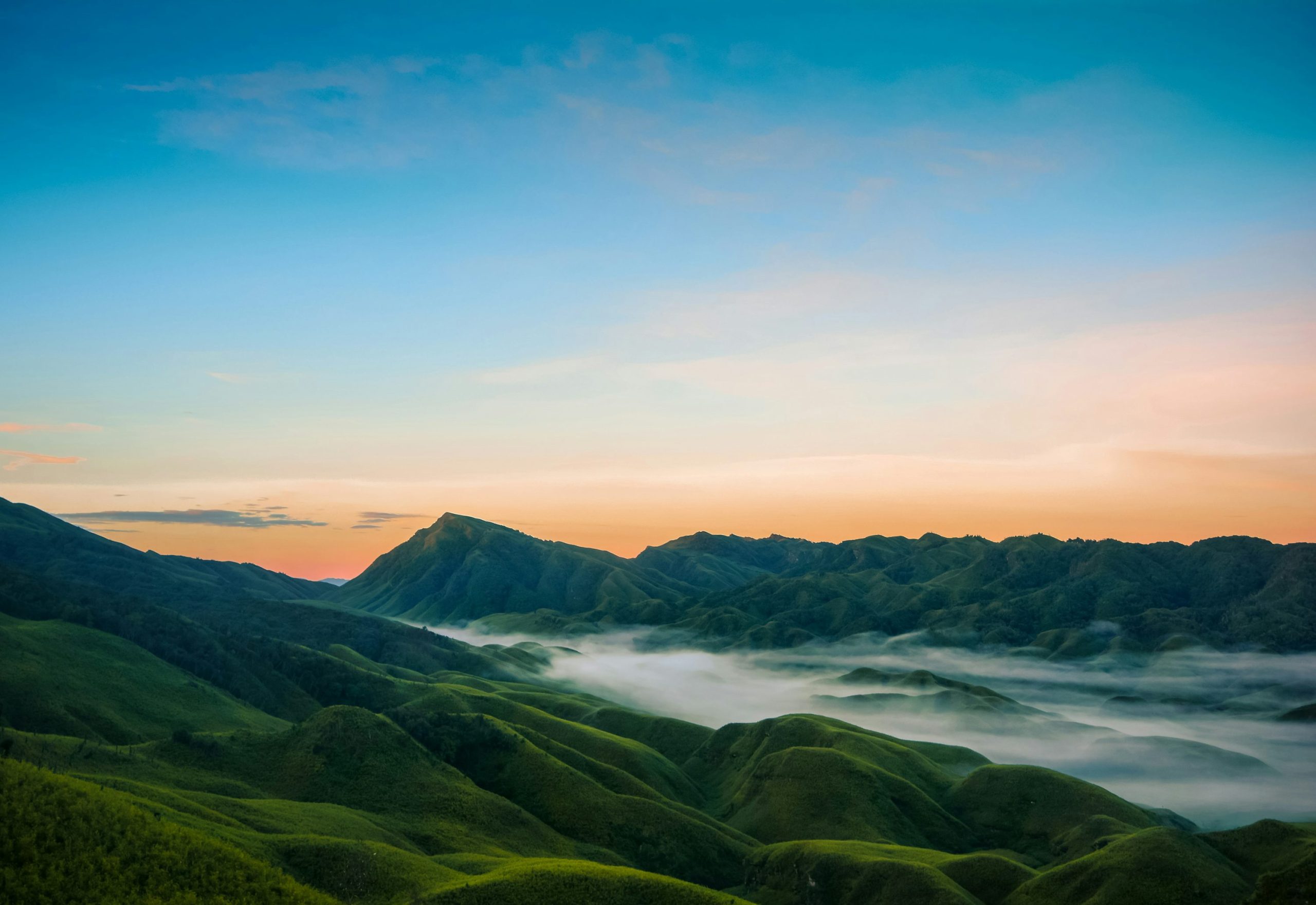
Often described as the “Valley of Dreams”, Dzükou Valley is one of Northeast India’s most breathtaking yet lesser-known travel destinations. Tucked away along the border of Nagaland and Manipur, this enchanting getaway is blessed with emerald-green hills, peaceful landscapes, gentle streams, and vibrant seasonal flowers. During the rainy season, the valley’s untouched beauty is enhanced by lush greenery, mist-covered hills, and flowing streams, creating a magical atmosphere that feels like a true slice of paradise waiting to be explored.
Top attractions include the Dzükou Valley landscapes, the Dzükou River and natural streams, the renowned Dzükou Lily blooming areas, and Japfü Peak.
- Best time to visit: June to September
- Ideal for: Trekking, untouched nature, offbeat adventure, seasonal blooms
10. Kaas Plateau, Maharashtra
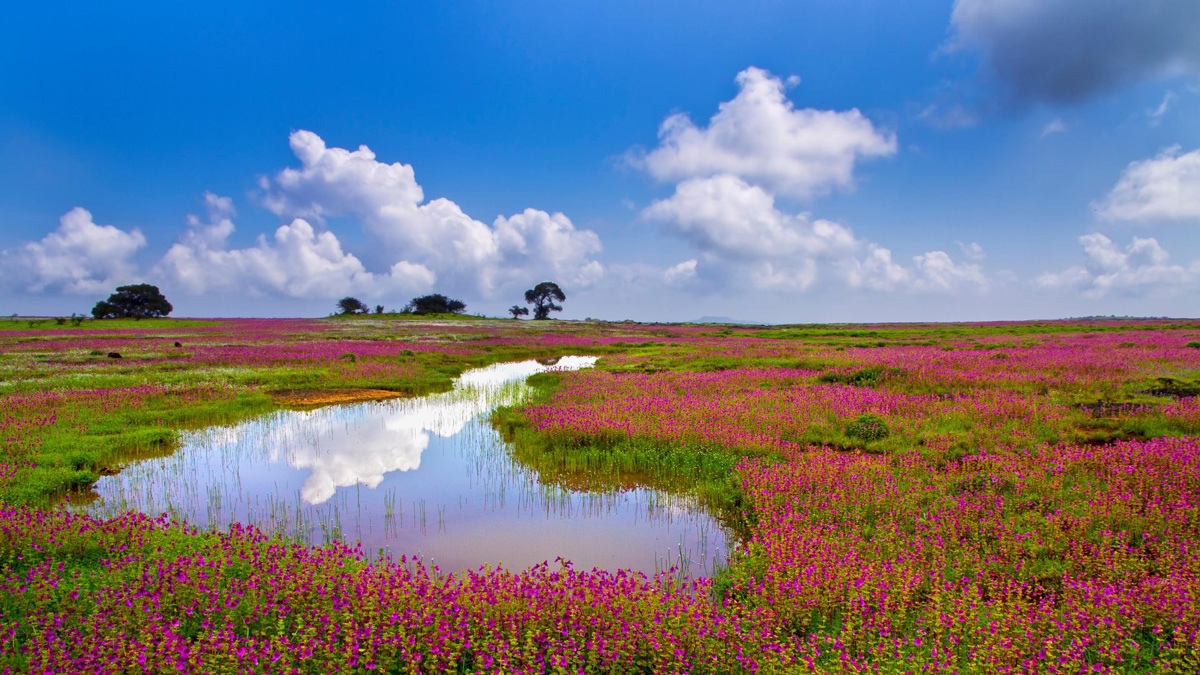
Located in the Satara district of Maharashtra, the Kaas Plateau is a UNESCO Natural World Heritage Site celebrated for its unique biodiversity, rolling grasslands, and seasonal meadows covered with colourful wildflowers. During the monsoon, the plateau transforms into a floral wonderland, with vibrant blooms creating a colourful canvas against the scenic backdrop of the Western Ghats and misty hills.
Top attractions include Kaas Pathar, Kaas Lake, Thoseghar Waterfalls, Vajrai Waterfall, Bamnoli Village and Shivsagar Lake.
- Best time to visit: August to October for flower blooms
- Ideal for: Wildflower meadows, photography, nature walks
Final thoughts
Monsoon tourism in India opens the door to a truly unmatched experience, with lush greenery, majestic waterfalls, and mist-covered mountains. However, taking necessary precautions is equally important for a safe and enjoyable journey.
Whether you are embarking on a photography expedition, an adventurous trek, a romantic getaway, or a peaceful retreat, India’s monsoon destinations offer a rare opportunity to experience nature in its most vibrant and breathtaking form.
So, embrace the rain, plan wisely, travel safely, explore hidden landscapes, and create unforgettable memories as you discover the beauty of Incredible India!
Essential Tips
- Make sure to wear comfortable footwear with good grip.
- Carry a rain jacket, waterproof bags, and an umbrella with you.
- Check road conditions and local weather updates before mountain trips.
- Avoid high-risk activities near overflowing waterfalls or rivers.
- Carry insect repellent and essential medicines with you.
- Allow extra travel time, as rain may slow transportation in hilly areas.