

Between an overly hectic lifestyle, daily work stress, and irregular meals, our health often takes a back seat while our immune system works tirelessly to support our health. As one of the body’s most important natural defence systems, the immune system works constantly behind the scenes, helping protect us from infections and other health challenges.
In today’s fast-paced world, maintaining a healthy lifestyle that supports a strong immune system has become especially difficult. Poor eating habits, lack of sleep, an inconsistent routine, and insufficient physical activity all contribute to compromised immune function. That is why adopting simple, healthy habits that nourish the body and support a healthy immune system is more important than ever.
Fortunately, supporting your immune health doesn’t require dramatic changes. A handful of small, sustainable habits practised consistently can help support your body’s natural defence over time.
In this guide, we will explore essential, simple habits to boost your immune system naturally, without making complicated changes to your daily routine.
Balanced Diet for Better Immunity
 A balanced diet provides the essential nutrients your body needs to function properly and fight potential threats. Instead of relying on a single food or nutrient, focus on eating healthy foods including plenty of fruits, vegetables, whole grains, fibre-rich foods, fermented foods, and adequate protein.
A balanced diet includes:
- Fruits and vegetables
- Whole grains
- Beans and legumes
- Nuts and seeds
- Eggs, fish, lean meats, or other protein sources
- Dairy or suitable alternatives
- Healthy sources of unsaturated fats
Building a genuinely nutrient-rich diet is one of the most reliable and low-effort ways to support long-term immune health.
Prioritise Quality Sleep

Make quality sleep a non-negotiable part of your daily routine. While you sleep, your body rests, completes essential repair and recovery processes, and produces infection-fighting proteins called cytokines. Skimping on sleep can interfere with these processes and affect overall immune health.
To support better sleep:
- Keep a consistent sleep and wake schedule
- Limit screen exposure before bedtime
- Create a relaxing bedtime routine — keep your bedroom comfortable, quiet, and dark
- Avoid heavy meals and excessive caffeine close to bedtime
Think of sleep as your immune system’s daily maintenance time and make your bedtime more consistent to give your body the rest to recover and support a healthy immune system.
Moving Your Body is Important

Moving your body, doing a daily workout, or hitting the gym isn’tjust about maintaining a healthy weight or building muscle. Regular movement is essential for improving blood circulation and helping immune cells travel through your body more efficiently. It also supports cardiovascular health, metabolic health, mental well-being, sleep, and overall physical function.
You can start with:
- A 30-minute walk every day
- Stretching or yoga
- Cycling or swimming
- Two to three light strength sessions weekly
Here, consistency is the key. A daily walk can do more than an occasional intense workout.
Manage Everyday Stress

Today, stress has become a normal part of our lives. Family responsibilities, work pressure, financial concerns, and everyday uncertainties contribute to elevated stress levels, which in turn raise cortisol. When cortisol stays elevated for too long, it suppresses the very immune response we are trying to protect. So managing everyday stress is more important than you realise.
Simple ways to manage stress
- Spend some time in nature
- Practise slow breathing
- Spend time with loved ones
- Read a book
- Listen to music
- Practise yoga or meditation
- Take short breaks during demanding workdays
- Spend time on hobbies you genuinely enjoy
You might not be able to eliminate stress from your life, but making intentional efforts to manage it can help you lead an emotionally and physically enriched life.
Avoid Smoking and Tobacco
 Smoking and tobacco consumption damage the lining of your respiratory tract, making it harder for your body to fight off infections. It keeps your immune system in a constant state of repair instead of defending against new threats.
The NIH recommends quitting smoking as one of the healthy options that can help support the body’s disease defences. If you want to quit smoking, consider seeking support from a healthcare professional or evidence-based smoking cessation service.
Limit Alcohol Consumption
 Alcohol consumption is also associated with numerous health concerns, particularly when consumed excessively.
If you drink alcohol regularly or in excess, it can disrupt gut bacteria, interfere with how well your body absorbs nutrients, and suppress immune cell production if it becomes a habit rather than an occasional thing.
If you drink alcohol, moderation matters. If you don’t drink, there is no health reason to start drinking for “boosting immunity.”
Practise Good Hygiene
Maintaining good personal hygiene reduces your overall exposure to pathogens, lightening the load on your immune system.
- Wash hands regularly with soap or handwash for at least 20 seconds, especially before eating and preparing food.
- Avoid touching your face, especially eyes, nose, and mouth
- Keep frequently touched surfaces clean
Maintaining Healthy Weight
 Excess weight can negatively impact immune cell function and alter the body’s inflammatory response. Maintaining a healthy weight is therefore an important part of a healthy lifestyle that supports overall immune health. Rather than focusing on restrictive diets or rapid weight loss, aim for a balanced diet built around whole, minimally processed foods and sustainable daily habits.
The WHO recommends making minimally processed and unprocessed foods the foundation of a healthy diet while limiting foods high in unhealthy fats, sodium, and free sugars.
Focus on habits such as:
- Eating a healthy, nutrient-rich diet
- Paying attention to portions
- Staying physically active
- Limiting highly processed foods
Try replacing:
- Sugary snacks with fruits and nuts
- Fried foods with baked or grilled alternatives
- Sugary drinks with water or unsweetened beverages
- Refined grains with whole grains more often
Stay Hydrated
 Water helps produce lymph, which carries infection-fighting immune cells throughout the body. Even mild dehydration can affect energy, digestion, and immune response.
- Drink roughly 8 glasses (about 2 litres) of water daily, adjusting for activity level and climate.
- Herbal teas and water-rich foods (cucumber, watermelon, oranges) also count.
Build Consistent Daily Routines
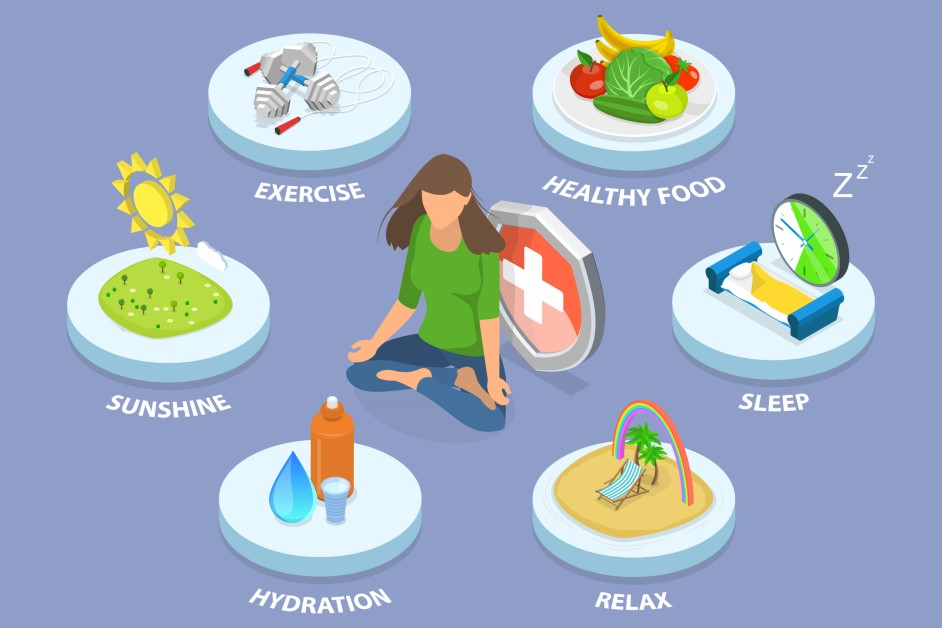
Your immune system benefits from consistency. Irregular sleep, meals, exercise, and schedules can make it harder to maintain healthy habits over time. Instead of rebuilding your entire lifestyle at once, create a simple routine that supports your body every day.
Morning
- Drink a glass of water after waking up
- Eat a nutritious breakfast
- Get some sunlight
- Add a short walk or movement session to your morning routine
During the day
- Eat a balanced, nutrient-dense lunch
- Include fruits and vegetables
- Drink enough water
- Stay physically active
- Manage stress with short pauses
Evening
- Eat a balanced dinner
- Reduce unnecessary screen time
- Take a relaxing walk after dinner or unwind
- Maintain a consistent bedtime
At night
- Aim for at least seven to eight hours of sleep
- Keep your sleep environment comfortable
- Follow a consistent sleep schedule
Creating a routine you can consistently and realistically maintain would support your immune and overall health.
A Simple 7-Day Immunity-Support Routine
Day 1: Add one extra serving of fruit or vegetables
Day 2: Take a 20–30 minute walk
Day 3: Go to bed 30 minutes earlier
Day 4: Replace one sugary drink with water
Day 5: Spend 10 minutes on stress relief
Day 6: Add a protein-rich food to your meal
Day 7: Review your week and choose 3 habits to continue
Common Myths About Boosting Immunity
 1. One food can dramatically boost immunity.
No single food can transform or boost your immune system overnight. A diverse, nutrient-rich, balanced diet is the key to a stronger immune system, not a single superfood.
2. Intense workouts improve immunity.
You don’t need to work out intensely or push your limits to strengthen your immune system. Consistent, moderate physical activity effectively supports immune health and overall well-being.
3. Sacrificing sleep is fine if your diet is healthy.
Nutrition and sleep are both important and support different aspects of health. Even if you are healthy and eat well, it will not compensate for consistently poor sleep habits.
4. More supplements mean stronger immunity.
Supplements are not automatically beneficial in high doses. Excessive intake of certain minerals and vitamins can harm overall health. Nutrient needs vary from person to person, so take supplements based on your body’s needs.
5. Taking large doses of vitamin C prevents colds.
Research shows taking vitamin C can shorten the duration of a cold in some people. However, taking large doses cannot prevent illness and may cause digestive side effects.
The Bottom Line
Overall, boosting immunity naturally isn’t a quick fix; it’s about consistency. There is no miracle food or ingredient that can strengthen the immune system overnight. Instead, it boils down to making consistent choices through several small, sustainable changes and turning them into lasting habits. Eating a balanced diet, staying physically active, getting proper sleep, drinking enough water, managing stress, maintaining a healthy weight, limiting alcohol intake, and avoiding smoking can all contribute to better immune health and overall well-being when practised regularly and consistently.
The goal isn’t to create a perfect lifestyle, but to build a sustainable routine you can maintain long-term. Even small, positive changes can add up over time, helping you build healthier habits that support your body’s natural defences and overall health.